
Soft hobbies & creative afternoons
7 soft hobbies for teens that do not need to become a side hustle
Something pretty to make. Something small to notice. Something you can enjoy without filming it, selling it or becoming the best at it.
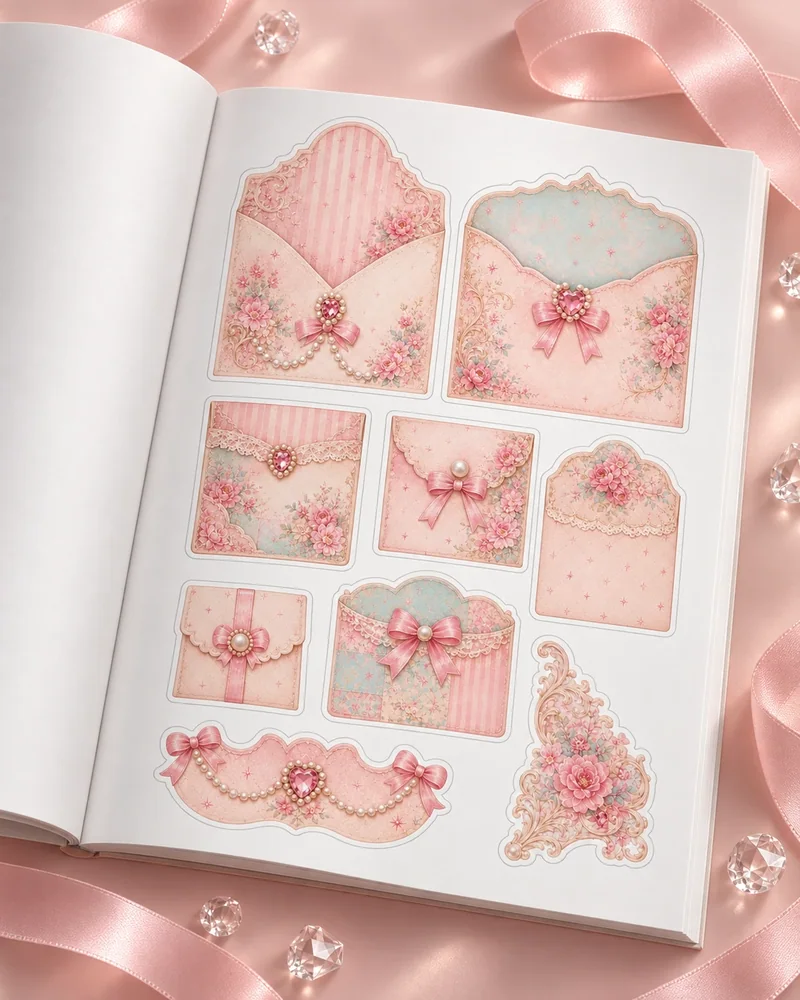
Sometimes a hobby seems to arrive with a second job attached. Learn the thing, get good at it, buy the right supplies, post the results. Before long, the lovely little activity has its own performance review.
When I say “soft hobbies”, I mean activities you can approach gently and at your own pace. They do not need a particular colour palette or personality. You can enjoy loud music and quiet drawing, football and flowers, glitter and messy handwriting.
Here are seven things to try using what you already have. Choose the one that sounds interesting, not the one you think would look best in a photograph.
1. Make a tiny paper collage
Take a piece of scrap paper no bigger than a postcard. Add three things: a colour, a texture and a word. Packaging, old magazines and saved wrapping paper can all be useful, with permission before cutting anything that belongs to someone else.
The small size gives you a natural stopping point. If you enjoy it, make a second. If you do not, you have used one little piece of paper.
2. Sketch the same leaf three ways
Look at a leaf on a plant or a fallen one you can safely pick up. Draw its outline, draw only its veins, then draw it without lifting your pencil. The drawings do not need to look realistic.
You can do this beside a window or on a familiar outdoor walk. Leave unknown plants alone and choose places you can access safely. Looking closely is enough; you do not need to take something home.
3. Keep a commonplace notebook
This is a notebook for things you want to remember: a new word, a thought from a book, a recipe idea, a funny observation or the name of a place you would like to visit.
Write down where a borrowed idea came from. You are building a collection for yourself, so it does not need to be arranged in perfect sections. The next blank space will do.
4. Write a proper little letter
Choose someone you know and tell them about an ordinary thing: what you are reading, something that made you laugh or a memory you share. Fold the page and hand it to them next time you meet.
Decorating the envelope is optional. So is posting it. The pleasure is in giving a thought a little more room than a quick message usually gets.
5. Make a bookmark with a mood
Use spare card and choose a theme: rainy-day reading, strawberry pink, midnight blue or a tiny imaginary garden. Draw, colour or collage it. Punch a hole and add a saved ribbon if you already have one.
You have made something useful without needing a whole craft cupboard. It can live in a library book for a while and move on to the next story with you.
6. Start an ordinary-days collection
Keep a small envelope for paper memories: a ticket, a label, a handwritten note or a scrap from a gift. Write a date or a sentence on the back so future you knows why it mattered.
A collection can stay in an envelope. It does not have to become a finished scrapbook. Leave out receipts or papers with private information if anybody else might see it.
7. Read and make a page about the atmosphere
After reading, choose colours, shapes or your own words that match how the story felt. A beach scene might become blue pencil marks and one crooked shell. A mysterious house might become a dark doorway and a question.
This is your response to the book, not a school review. You do not have to rate it or explain the plot.
Let a hobby stay yours
Try something once, return to it often or leave it for another season. You do not have to monetise enjoyment to justify the time you spent on it.
If paper-making turns out to be your thing, explore the Fancy journals and Cut & Keep collage books. Everything above also works with ordinary supplies. For something to write beside your collage, try these 15 journal prompts.
Back to girlhood notesA little more to read
Journalling & self-expression
15 journal prompts for teens who do not know where to start
A blank page can feel oddly demanding. Here are a few ways in, without having to turn your whole life into a beautifully written paragraph.

Friendship & growing up
When friendships change: finding your feet without losing yourself
There is a particular kind of lonely in feeling out of place with people who used to feel like home. You do not have to solve the whole friendship today.